Nutrition & fitness
5 lifestyle changes to lower cholesterol
Published September 19, 2025
Nutrition & fitness
Published September 19, 2025
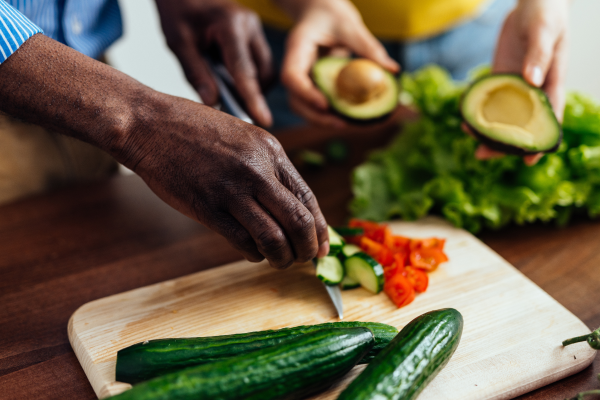
Together, these 5 lifestyle changes can help lower your “bad” cholesterol (LDL) and triglycerides (a type of fat in the bloodstream) while maintaining or raising your “good” cholesterol (HDL).
The short version: Eat fruits, vegetables, and whole grains.
That will get you far. It also helps to choose:
Also, eggs are okay. They’re a good protein and won’t make a big difference in your cholesterol levels. Just don’t overdo it.
You don’t have to totally avoid these foods, but it really helps to limit:
Don't buy the hype around supplements and foods with sterols and stanols that claim to lower cholesterol. It’s possible that some of these products could lower your numbers but it’s not clear how safe they are or if they really improve heart health.
Exercise is a great tool for improving your cholesterol profile. Try to find activities you genuinely enjoy so that you stick with them.
Aim for at least 2 hours 30 minutes of moderate-intensity aerobic (or 30 minutes, five days a week). Examples: brisk walking, cycling on level ground, ballroom dancing, and gardening.
If you're short on time, 75 minutes of vigorous-intensity exercise per week can also be effective. Examples: jogging or running, swimming laps, cycling fast or on hills, and singles tennis.
If these recommendations feel overwhelming, take baby steps. Even a 10-minute walk can make a difference. As that gets easier, you can make your walks longer or do more of them.
Quitting smoking is one of the single best things you can do for your heart health. Within a year of quitting, your risk of heart disease is cut in half.
There are many resources now available that can dramatically increase your chance of success. Reach out to your care team about resources like nicotine replacement therapy, prescription medications, and health coaching.
Drinking more than the recommended amount of alcohol can raise your “bad” cholesterol and triglyceride levels.
If you choose to drink, limit your alcohol intake (one drink a day for women and two drinks a day for men). Serving sizes vary — 12 ounces of beer, 5 ounces of wine, or 1.5 ounces of 80-proof spirits are all considered to be one “drink.”
While the direct link is still being studied, chronic stress can indirectly lead to high cholesterol.
Try activities known to relieve stress, like practicing mindfulness or meditation, doing deep-breathing exercises, spending time in nature, getting regular physical activity, or connecting with friends and family.
Even just five minutes of quiet time or deep breathing each day can help lower stress levels and allow you to make more conscious, healthy choices.