Diseases & conditions
Altitude sickness Q&A
Published October 21, 2025
Diseases & conditions
Published October 21, 2025
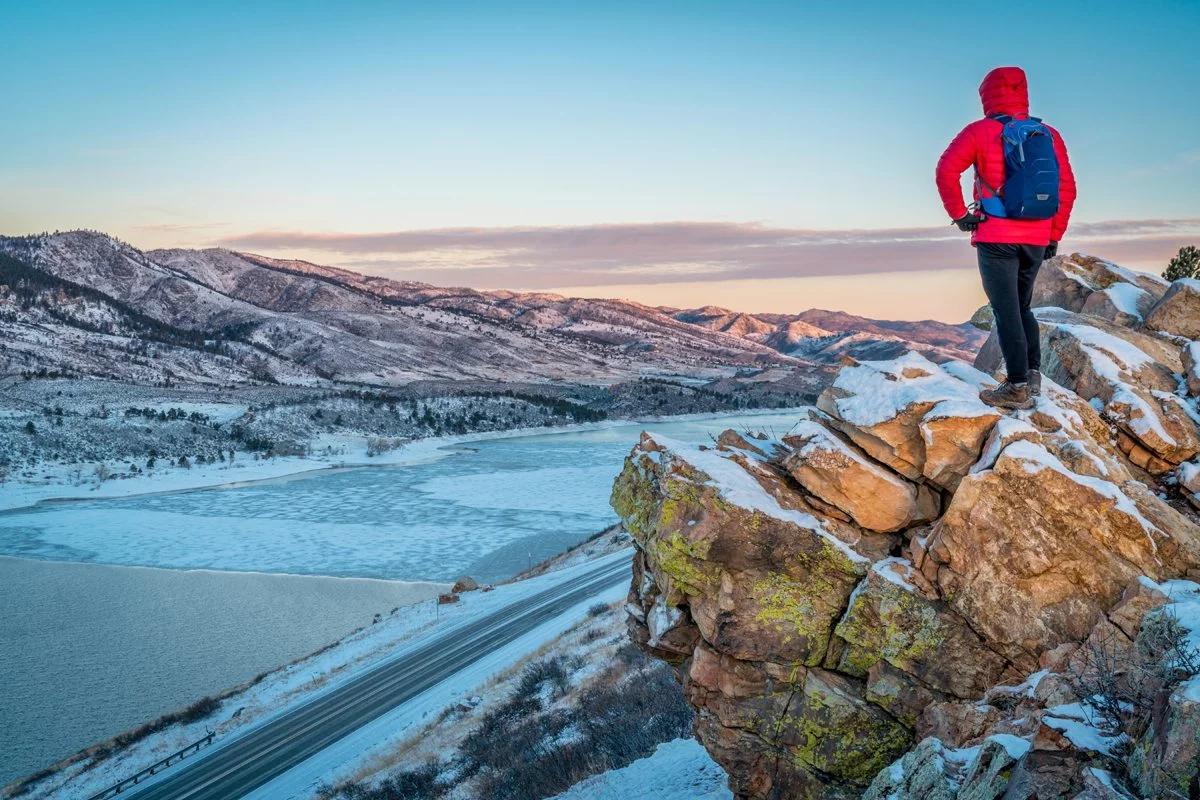
Altitude sickness refers to the health problems that can happen when you travel to high altitudes (around 8,000 feet or higher above sea level). Altitude sickness can occur in the mountains or in high-altitude cities, like Mexico City or Denver.
No, there are 3 types of altitude sickness:
The symptoms of acute mountain sickness, which can happen within a day of traveling or climbing to a very high altitude, often include:
You might be tempted to keep climbing, especially if you’re with other people. But it's important to rest so you don't get worse. If you’re with someone who has symptoms of altitude sickness, stay with them so you can get help if needed.
Yes! The best way to prevent altitude sickness is to avoid moving quickly to a high altitude. If possible, increase your altitude little by little over several days to give your body time to adjust.
It's also helpful to:
Yes. If you’re planning a trip to a high altitude, we may prescribe a medication called Acetazolamide.
Common side effects of this medication include: nausea/vomiting, fatigue, and numbness/tingling/itching. It rarely causes serious reactions such as: anemia, electrolyte imbalances, rash, and anaphylaxis.
The symptoms of HACE (swelling of the brain) usually start 1 to 3 days after traveling or climbing to a high altitude. They include:
If you have any symptoms of HACE, call 911 or seek emergency care right away.
The symptoms of HAPE (fluid in the lungs) usually start 2 to 4 days after traveling or climbing to a high altitude. They include:
If you have any symptoms of HAPE, call 911 or seek emergency care right away.