Hyperlipidemia (high cholesterol) Q&A
Published September 19, 2025
Published September 19, 2025
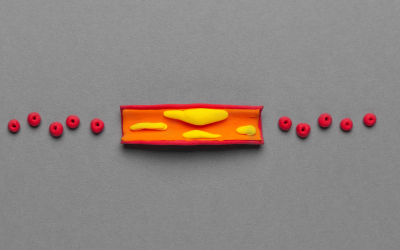
Hyperlipidemia occurs when there’s unusually high levels of lipids (fats) in the bloodstream. Hyperlipidemia is often called high cholesterol because cholesterol is one of the most common lipids that contributes to this condition.
Hyperlipidemia raises the risk of heart disease, heart attack, and stroke.
Yes. It’s recommended that most people with hyperlipidemia take a type of medication called a statin. Statins work by lowering the amount of cholesterol made by the liver and helping the liver remove cholesterol from the bloodstream.
To improve heart health, try to:
Research shows that, if you’re overweight, losing 5–10% of your body weight can significantly improve your cholesterol levels.
Once you’ve been taking a statin for about 3 months, your Firefly care team will ask you to complete another round of tests to check your cholesterol and liver function.
Have more questions? Just send us a chat in the app.